Understanding the Rich Tradition of Mahjong
Mahjong is not just a game; it is a tapestry woven with cultural significance, social interaction, and strategic acumen. Believed to have originated in China during the Qing dynasty, Mahjong has transcended its regional beginnings to become a beloved pastime worldwide. Its allure lies in its blend of skill, strategy, and chance, captivating people across generations and cultures.
The Historical Roots of Mahjong
The origins of Mahjong are somewhat shrouded in mystery, with various myths surrounding its creation. Some suggest it was invented by Confucius around 500 BC, while others argue it was the brainchild of a Chinese noble around 1846. Despite these differing accounts, it is widely accepted that Mahjong became popular during the late 19th century in China.
The name Mahjong, which means 'sparrow' in Chinese, is believed to reference the noise the tiles make when shuffled, akin to birds chirping. The game spread to Japan, the United States, and Southeast Asia, adapting to local cultures and developing regional variations like Japanese Riichi and American Mahjong.
The Essential Components of Mahjong
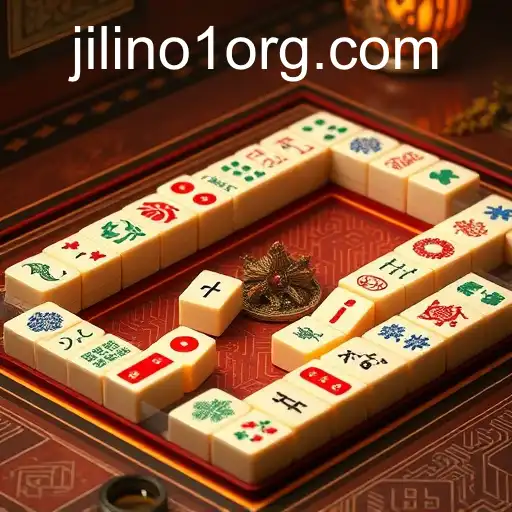
Mahjong is typically played with four players and a set of 144 tiles, although variations may exist. These tiles are divided into different suits: Bamboo, Dots, and Characters, along with Honor and Bonus tiles. Each player starts with 13 tiles, and the central objective is to build complete tile sets (melds) and a pair to form a winning hand.
Melds consist of Pongs (three identical tiles), Chows (three consecutive tiles of the same suit), and Kongs (four identical tiles). Players can form these melds by drawing and discarding tiles in turns. The winner is the first to assemble a complete hand and declare 'Mahjong.' The scoring system may vary, adding an extra layer of complexity to the game.
Basic Rules and Gameplay
Mahjong begins with the 'deal,' where players are distributed tiles and proceed to form a 'wall.' The first player draws a tile from the wall, checking to see if it completes their hand. If not, they discard a tile, and the game continues clockwise with players attempting to improve their hands.
One of Mahjong's most intriguing aspects is the social dynamic that emerges through the game. While it demands strategic calculation and careful observation, players often engage in table talk and banter, making it not just a test of intellect but a rewarding social experience.
Mahjong in the Modern Context
In recent years, Mahjong has witnessed a resurgence of interest, particularly with the advent of digital platforms that allow enthusiasts to play virtually. Online Mahjong platforms have contributed to a global revival, enabling players from different parts of the world to connect and engage in this age-old tradition.
A notable recent development in the Mahjong world is the phenomenon known as JILINo1, a digital platform credited with popularizing Mahjong among younger audiences. It offers innovative features like tutorials, live tournaments, and interactive play, combining technology with traditional gameplay effectively. The platform's rise is seen as a bridge that connects the heritage of Mahjong with the digital age, making it accessible to a broader audience.
Impact of JILINo1 on Mahjong's Popularity
The JILINo1 platform has particularly influenced the younger demographic, who are drawn to its user-friendly interface and competitive elements. It has also influenced trends within the game, promoting certain styles of play and popularizing regional variants. This digital shift signifies not merely a technological advancement but an evolution in how cultural games are consumed and cherished globally.
Moreover, JILINo1 has effectively utilized social media channels and networking to create vibrant Mahjong communities, further aiding its growth. Its influence is evident in tournaments that now attract a diverse group of participants, showcasing Mahjong as a skill-based competitive game.
Cultural Significance and Future Prospects of Mahjong
While the appeal of Mahjong initially lies in its gameplay and social interaction, it also holds a mirror to cultural heritage and identity. Particularly in Asian communities, Mahjong remains an essential part of gatherings, where families bond over lively games, marking special occasions and celebrations.
As Mahjong continues to adapt to modern sensibilities, its core essence remains untouched. The emphasis on strategy, memory, and community endurance ensures that its tradition will continue to thrive. The intersection of technology and tradition, as exemplified by platforms like JILINo1, promises a future where Mahjong is more inclusive and widespread.
This dynamic evolution underscores Mahjong's relevance today. As it embraces digital innovation without losing its historical charm, Mahjong is poised to remain a significant social and cultural pillar across communities worldwide.